
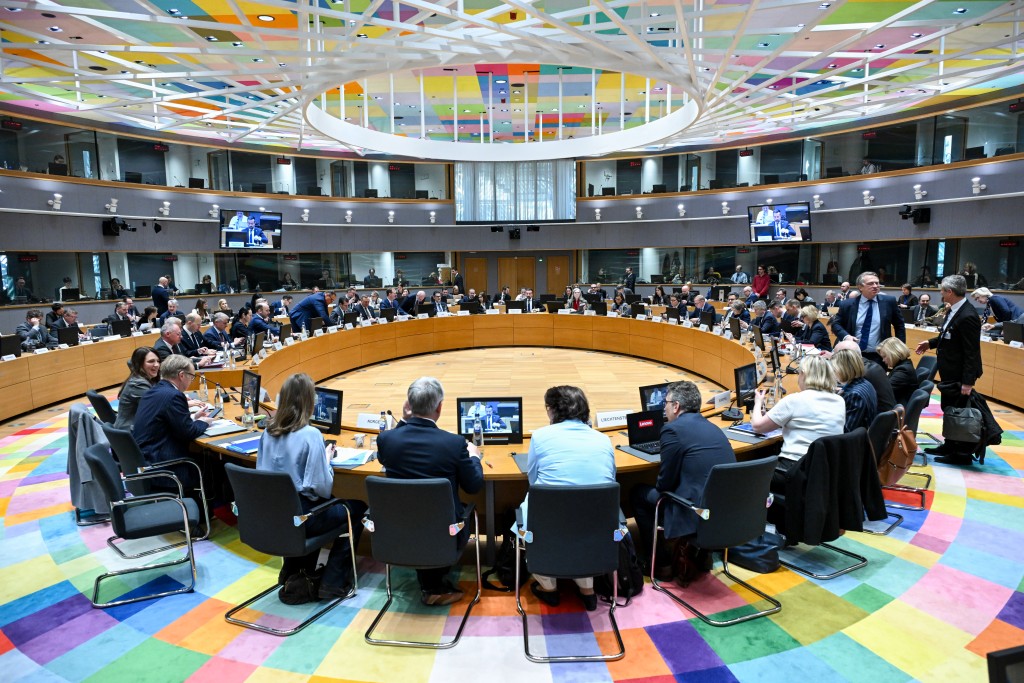
“Closing the common European security space – the Schengen area – to Russian military personnel who have fought in Ukraine is in the interest of our collective security. Due to their combat experience and loyalty to the Kremlin regime, ex-combatants constitute a significant recruitment pool for Russian special services seeking to carry out operations in European countries,” Taro said.
“Estonia has taken decisions concerning nearly one and a half thousand ex-combatants, imposing Schengen-wide entry bans on them. To this end, we are cooperating with the Ukrainian security authorities. The lists of identified ex-combatants provided to Estonia include personal data, military unit numbers and other identifiers. Entry bans have been imposed following additional analysis by the Estonian Internal Security Service, and this process will continue. Each decision is based on a mandatory individual assessment in accordance with Schengen law. I call on all colleagues to think and act in the same spirit,” Minister of the Interior Taro said in his address to the EU interior ministers.
“This is an extraordinary situation that requires new and bold solutions. If we do nothing now, violence will soon surge on the streets of Europe and hybrid attacks will intensify,” the minister said. He recalled that Europe had witnessed a similar development before: “In the 1990s, criminal networks composed of Soviet veterans of the war in Afghanistan operated across Europe. Like the ex-combatants of the war in Ukraine, these were Russian citizens with military training who, after committing war crimes, sought new roles in the criminal underworld upon returning to civilian life. We must not allow such a contingent onto our streets.”
Taro expressed hope that the European Commission would help develop additional solutions for implementing Schengen-wide entry and stay bans, particularly under the framework of a new visa strategy aimed at establishing an effective EU-wide system as quickly as possible and mitigating the security risk posed by ex-combatants. Lithuania has already joined the initiative. Latvia, Finland, Poland, the Czech Republic and Romania also voiced their support for Estonia at the meeting. At the proposal of Cyprus, which currently holds the Presidency of the Council of the European Union, a meeting will be convened to discuss the technical and legal aspects of the Estonian initiative.
The Minister of the Interior also emphasised that increasing the effective implementation of return decisions within the EU is equally important. “The current rate of approximately 25% is clearly too low to support our objectives or demonstrate our credibility,” he said. “Therefore, together with the Member States, we are seeking ways to increase the willingness of third countries to readmit their citizens. I believe that achieving this will require a clearer link between the conditions of development cooperation and readmission efforts. Greater cooperation with the EU must bring greater benefits for the third country, and vice versa.”
Taro added that promoting the voluntary return of third-country nationals is also of significant importance, and that supporting this requires investment in reintegration programmes. “To ensure that a person who has returned or been deported does not attempt to come back to Europe on the next available flight or ship, it is necessary to support their reintegration in their home country,” Taro said, emphasising the need for a range of solutions.

